

Key rental factors and prices in Greece: rent in this pleasant country varies highly depending on several factors. The cost of living is low by Western European standards, but rental prices have been on the up in the last few years, especially within the urban and tourist attractions. A would-be resident or long-term tourist should thus be able to give weight to these behind-the-scene factors.
Key Factors Affecting Rental Prices:
Location: Of course, this remains the singular most important factor affecting rental prices.
Major Cities (Athens, Thessaloniki): Both these cities consistently record the highest rents. In Athens, for example, rents in most of the upmarket neighborhoods of Kolonaki, Plaka, Syntagma, and the affluent southern or northern suburbs are sky-high due to the area being sought after for prestige, available amenities, and access. Areas further away, or mostly suburbs, might have a slight reduction in take, though the transport links might not be that reliable. Thessaloniki, being the second largest city in Greece, also follows a similar pattern of high prices in its core and sought-after areas.
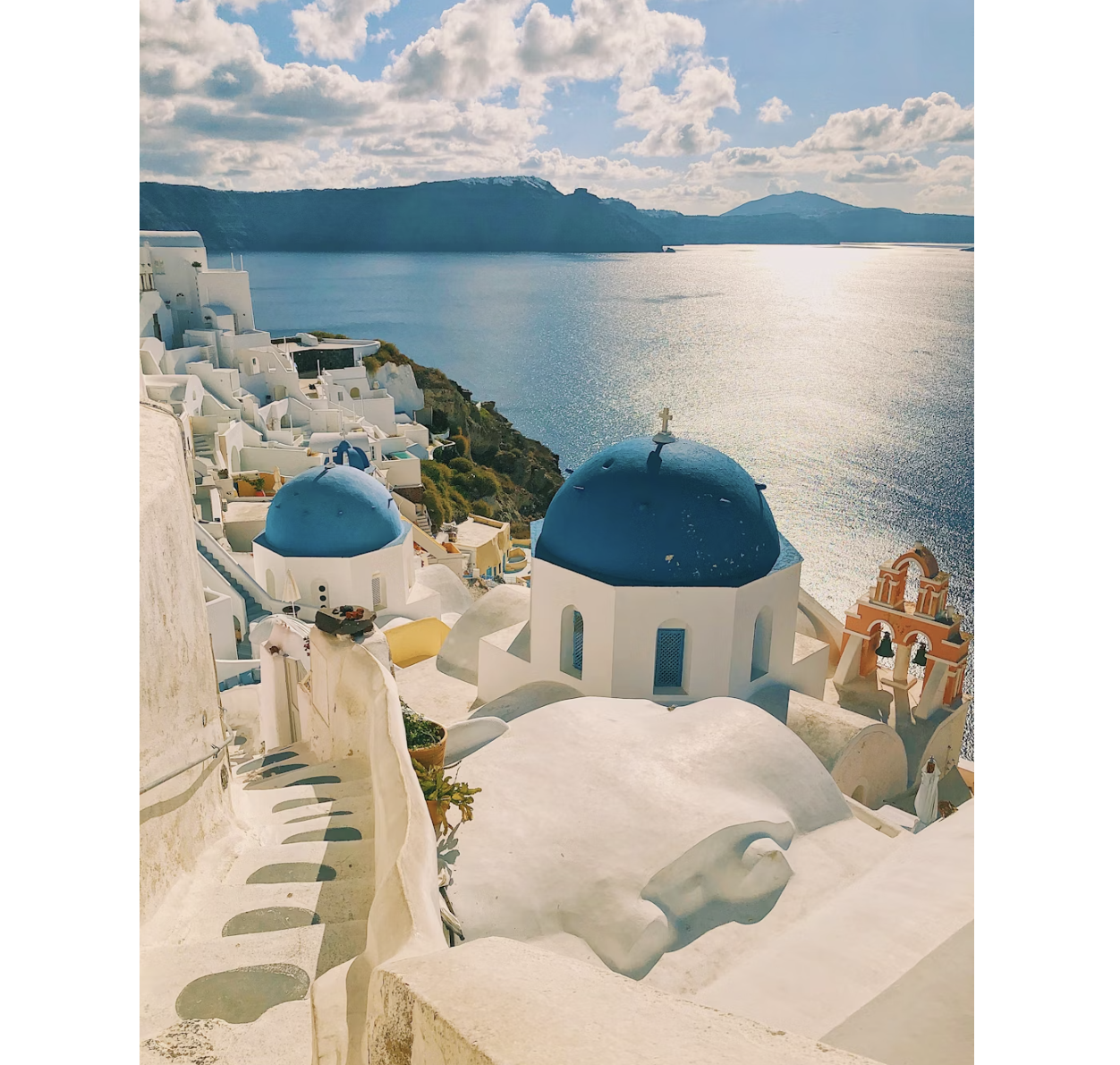
Greek Islands (most importantly the tourist favourites of Mykonos, Santorini, Crete, Rhodes): Rental prices on these famous islands are prices that tourism mostly dictates. From the coming of summer season through June till mid-September, the rush for short and long rentals is phenomenal; it takes the prices to the strangest heights. In the height of these months, most landlords would rather have short-term or vacation rentals to maximize costs. Post these months, especially between November and March, the prices come down considerably making it attractive for long-term stays, though services could take a hit.
Smaller Towns and Rural Areas: These areas promise quieter surroundings for a more traditional Greek lifestyle and thus present the cheapest medium-term rental solutions. Prices reflect demand, otherwise, the cost of living is considerably cheap.
Apartment Size and Type
Studio/1-Bedroom Apartments: Generally, they are the least expensive options, suitable for single occupants or couples.
2-Bedroom, 3-Bedroom, or Larger Apartments/Houses: Price increases come naturally with increases in living areas and rooms.
Condition and Age of Property: What condition a property is in will very much influence at what price it can rent. Newer buildings and newly renovated apartments, or ones with the most modern finishes and amenities, command much higher rents. Many apartments in Greece, especially in the older districts of the cities, have quite a character of their own but probably lack modern insulation, consequently being prone to higher utility bills for heating and cooling.
Furnished or Not: Surely, furnished ones provide the immediate convenience of living, but in general, they charge more per month for rent than unfurnished units.

Amenities and Attributes: Apartments with private parking, gym, a swimming pool, or an elite view (seaside, city skyline) will, of course, be ahead of other options in the hierarchy. On the other hand, properties close to public transport lines, essential services (supermarkets), medical facilities, universities, or sites of major cultural-historical importance will in general cost more for being convenient.
Long-Term vs. Short-Term Rental: The existence of several online short-term rental platforms (like Airbnb) has greatly influenced the long-term rental market of Greece. The vast majority of owners now prefer short-term rentals because of their profitability and flexibility. This has caused a supply crisis for long-term rental properties, therefore pushing rental prices upward. Long-term leasing, as a rule, from at least one year or longer, is considered more stable and often more reasonably priced compared to short-term rental compensation.
Market Trends: There has been a continuous upward movement in rental prices of the Greek markets for the past few years. This increase is actually caused by a set of factors: a strong demand from Greek tenants and foreign buyers/renters; somewhat limited supply of new accommodation and the upward trend in profitability of vacation rentals. The increase in property values and the cost of rentals is also caused by the return of economic stability and a growing tourism industry.
Average Rental Price Ranges (as of early-mid 2025):
These ranges are approximate and will vary depending on the exact time of year or date and specific property or ongoing market conditions:
1-Bedroom Apartment:
In Major City Center (Athens, Thessaloniki) rents range between €400 – €800 per month. In areas considered to be extremely sought-after in Athens, for brand-new or recently renovated properties, prices could easily go higher by €1,200 – €1,500.
Outside Major City Center (Athens, Thessaloniki): €280 – €600 per month.
Smaller Towns/Rural Areas: Rentals can be found from as low as €300 – €450 per month.
3-Bedroom Apartment:
In Major City Center (Athens, Thessaloniki): €600 – €1,500 per month. Luxury properties surpass €1,800.
Outside Major City Center (Athens, Thessaloniki): €350 – €1,200 per month.
Specifically, a 1-2 bedroom apartment in Springer regions of Athens (Plaka, Kolonaki, Syntagma, Kifisia) commonly comes crammed in between €700 – €1,500. Less central parts of Athens might just stay hovering around €500 – €800. A central 1-bedroom in Thessaloniki might very well be priced at starting levels of €350-€550. The Cycladic islands, heavily reliant on tourism, can have average ask prices of roughly €14.2 per square meter especially in peak tourist season.
Additional Expenses to Consider:
Beside the rent, several other bills will face the prospective tenant:
Utilities: For an 85m² apartment on average, expect to shell out around €150 to €300 per month for utilities, including electric, water, and garbage collection. Gas, if provided, might be an extra, more of running cost if chosen for heating or cooker. Heating is especially expensive in the winter months for the older houses in Greece due to inadequate insulation.
Internet: €30 – €32 per month.
Public Transport Pass: About €30 – €50 for a month.
Common Expenses (Paliatsa): For an apartment residing in a building, there is always a small monthly fee (for example, €20-50) allocated for the upkeep of the common areas like staircases, elevators, and shared electricity.

Deposit: Pay one or two months’ rent for a deposit kept by a landlord.
Finding an Apartment:
Online Platforms: Well-known Greek house listing sites include Spitogatos (www.spitogatos.gr) and XE.gr (www.xe.gr). For short-term stays or initial accommodation whilst searching for a long-term rental, Housing Anywhere (housinganywhere.com) and Airbnb (www.airbnb.com) are widely used.
Facebook Groups: Plenty of local Facebook groups dedicated to rental accommodation in specific cities or regions can be excellent resources to find properties, often directly from owners and therefore saving on agency fees.
Local Real-Estate Agencies: Using a local real-estate agency can be very helpful in navigating the market, especially if you are unfamiliar with the areas or local regulations. Keep in mind, however, that you will have to pay them a commission, usually one month’s rent plus vat, when you sign your lease.
Overall, while Greece is still having a way more profferable rental market than most Western European countries, especially outside its prime urban and island centers, prices have seen a gradual upward trend. A clear understanding of these factors after learning about one another will make proper research even more worthwhile as it helps you find a rental that best fits your price range and style of living.