


The real estate market of Boston is a unique tapestry woven from rich history, academic prestige, and cutting-edge innovation. Being a worldwide center for education, technology, and biotech, the city sees constant demand pressure in its housing market, making it immensely competitive in the US. While challenging in one respect, this environment opens up opportunities rarely available to either buyers seeking homes or savvy investors.
The economy of the city is the prime driver in terms of its real estate market. Boston provides a generating system of diversified industries that include top healthcare systems, top-tier tech companies located at Kendall Square, and a booming life sciences sector, with high-paying jobs being created consistently. Consistent employment growth brings professionals, researchers, and families into deep housing needs, thus sustaining a continuous and strong demand for upwards of properties.
Distinct Neighborhoods, Different Lifestyles
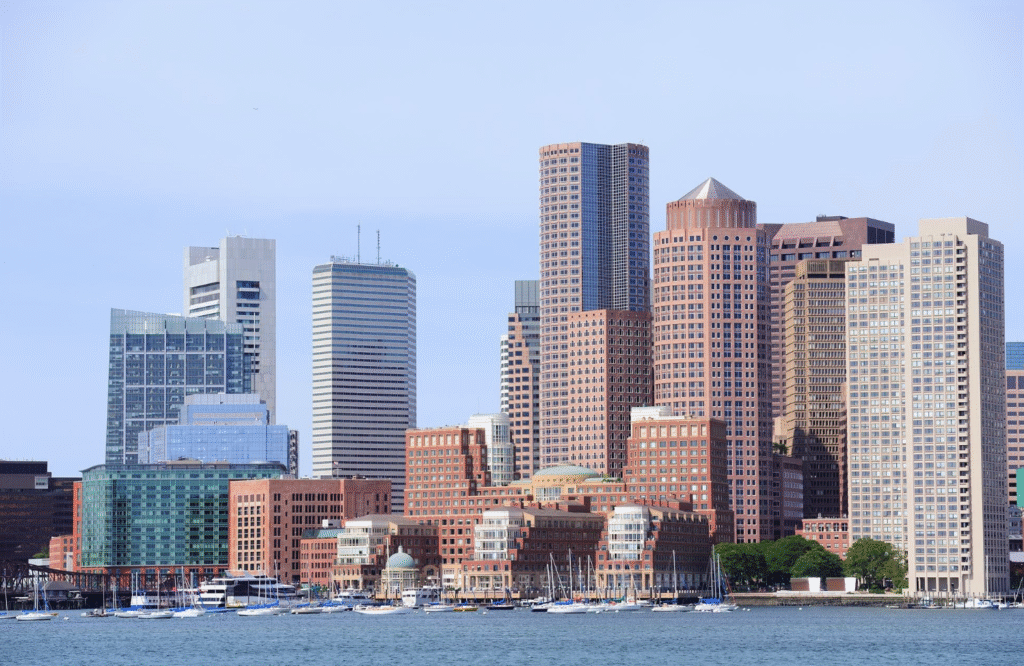
Boston has a distinctive charm with diverse neighborhoods that differ in terms of lifestyle and real estate profiles. The city’s very core abounds with the finest of properties. Beacon Hill, with its Federal-style brownstone facades and gas-lit streets, and the Back Bay, revered for its stately Victorian homes and chic condominiums, afford some of the highest prices per square footage anywhere in the country. Similarly, those refractory with the blend of historic brownstones and funky eateries of South End are established on the urban chic life.
On the other hand, apart from these iconic luxury neighborhoods, the market splits into.
The Seaport District, once an industrial nightmare, has been mercifully transformed from the traditional-style wasteland to a slick waterfront community with glitzy luxury towers, corporate head offices, and upscale restaurants. Allston and Brighton, on the contrary, remain favorites of young professionals and students due to their palpable energy and relative affordability. Suburbs such as Cambridge, Somerville, and Brookline provide a good mixture of urban culture and suburban comfort, attracting buyers who want to provide a more friendly setting for their families while being centrally located to a city’s facilities.
Challenges and Emerging Trends
Though it can never lose its allure, the real estate market of Boston has its own set of challenges. Limited inventory has always been one persistent issue- the number of available homes just can never satisfy buyer demand. Such bottlenecks create competition, with homes going off-market at below, sometimes much above, the asking price. A median sale price of $800,000 is paid for an urban dwelling in Boston, confirming the premium on urban lifestyle and strong city economics.
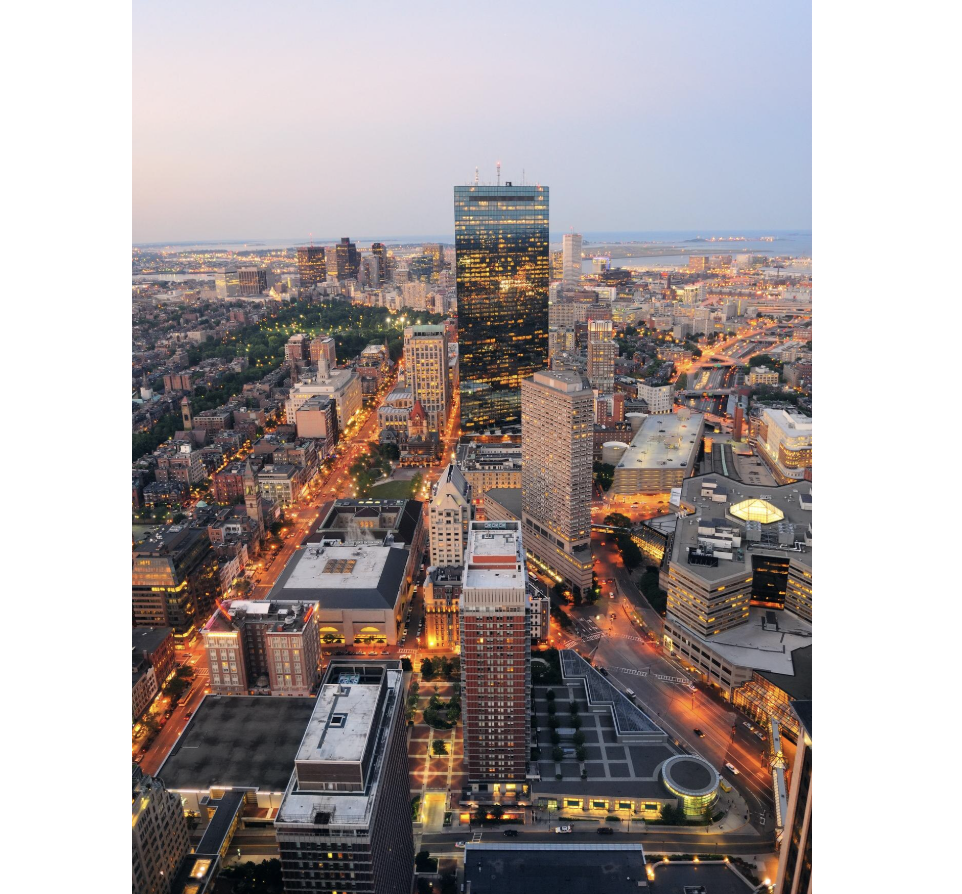
There has also been waxing and waning of interest and a somewhat subtle shift. While the prices remain resiliently high, some areas seem to have softened the biting frenzy of bidding wars of the immediately preceding era. New developments in the Seaport and other neighborhoods in rejuvenation do help address the supply crunch. That said, limited buildable land within city limits will likely continue to make Boston real estate a highly prized and sought-after commodity for the foreseeable future.
Sound Investments for the Future
In conclusion, Boston real estate market is a microcosm of Boston city: competitive, dynamic, and very much a desirable place to live. Being highly described with the phraseled by a powerful economy and some deep-seated cultural identity, the Boston real estate market continuously draws many buyers from around the world. For those who can brave the challenges, the market is full of great properties and a promise of long-term investment in one of the most innovative and historic cities in the United States.