

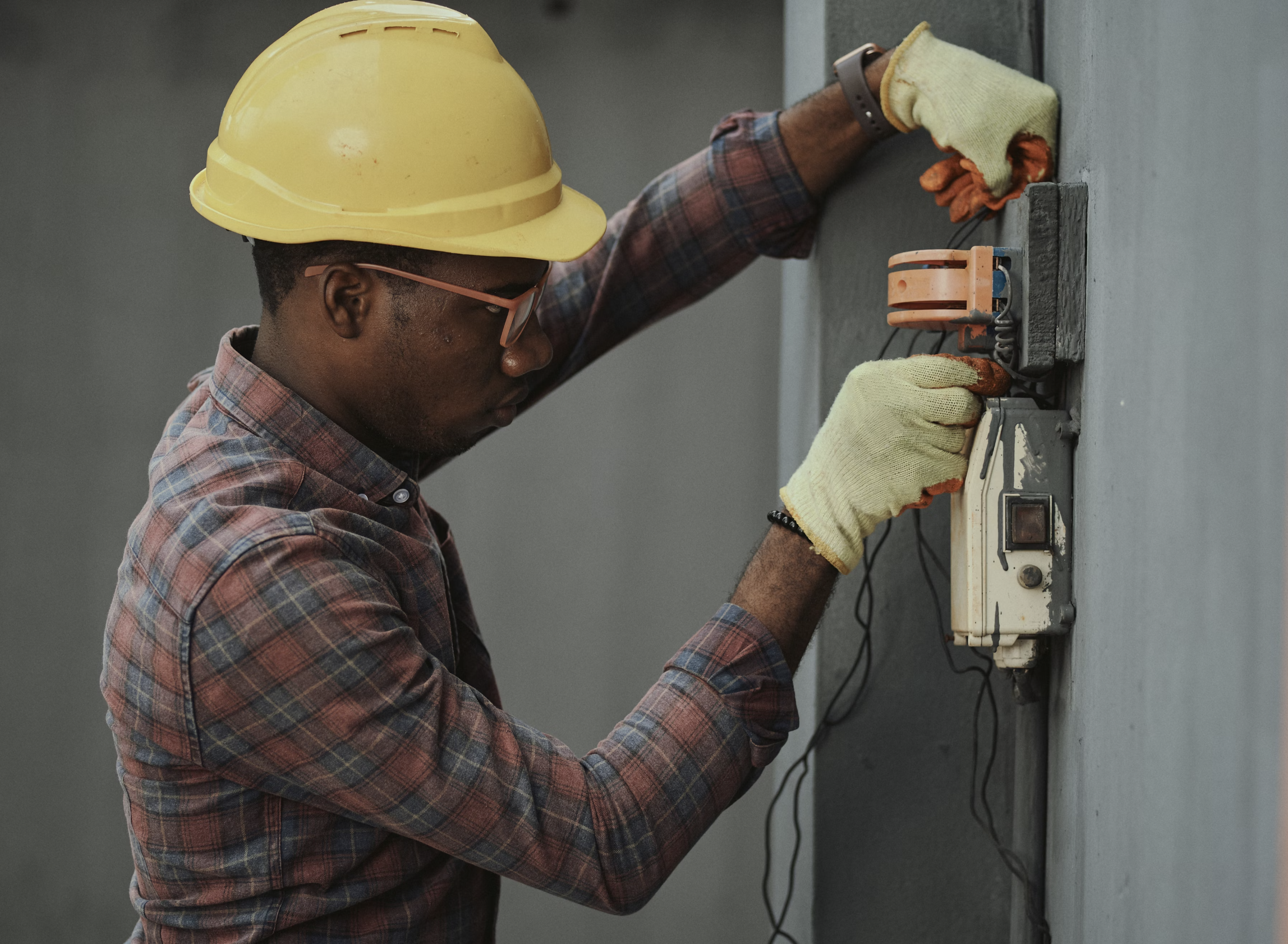
Home electrical wiring can be complex, from hidden wires in walls to outlets and fixtures used daily for daily activities. To select an appropriate panel size requires understanding your current and future power needs as well as consulting with an expert.
The rough-in wiring phase begins once framing has been completed but before walls and ceilings have been finished. At this stage, electrical boxes for outlets, switches and lighting are installed.
Planning
No matter whether you are building from the ground up or upgrading an existing home, having an in-depth electrical plan is crucial for both you and your family’s safety. A well thought-out electrical plan ensures that your circuit meets all technical regulations while decreasing risk of electrical accidents.
Planning is the foundation of any home, so take time during this stage to sketch an accurate layout for your house, either using planning software or pen and paper. Be sure to use rulers for more accurate sketches, and take measurements using a tape measure in different rooms around your home.
Once the wiring has been completed, a home is ready to move into. This final stage involves installing fans, remaining lights and switches, receptacles and HVAC systems as well as external electrical items – an installation which may take anywhere from days to months, depending on its size. In addition, your contractor must prepare a temporary power source.
Wiring
Electrical wiring is a crucial stage of any construction project and should be carried out by professionals certified to do it safely and legally. Avoid taking shortcuts during this phase; leave it to those with the knowledge to navigate residential wiring codes properly.
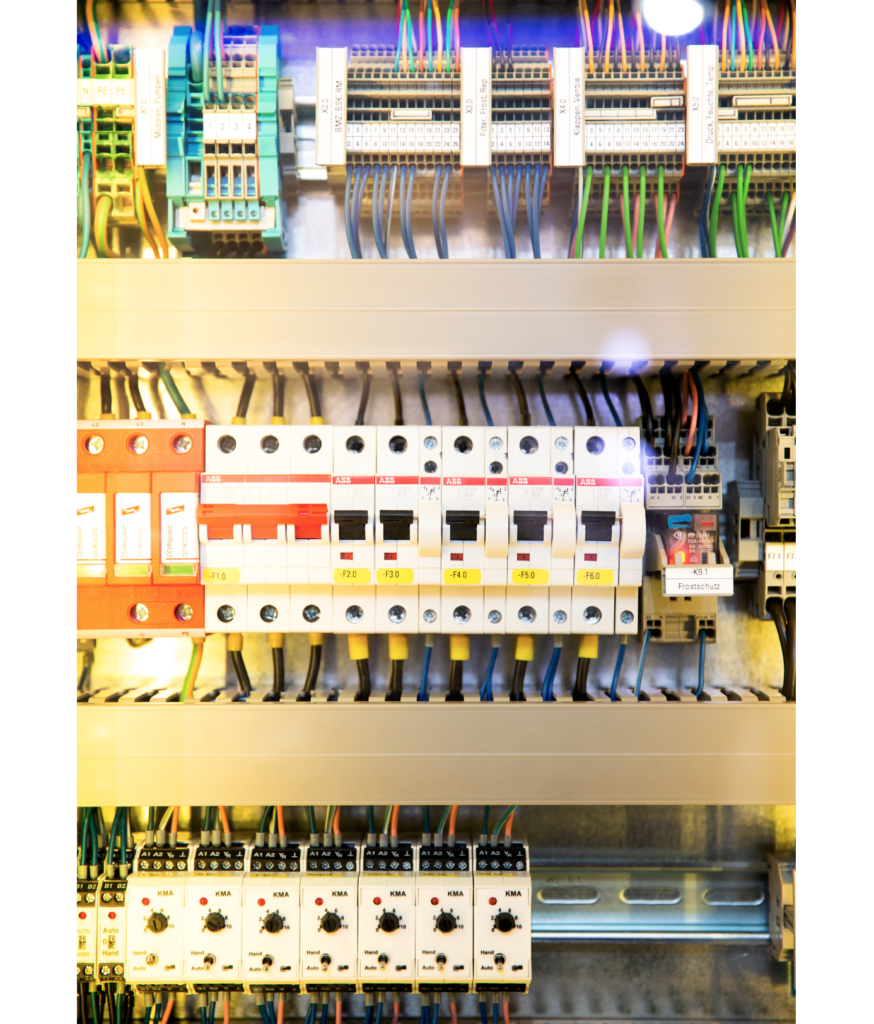
At this stage, the main electrical panel (or breaker box) will be installed. This is where all of the electricity that powers your appliances, lights, and outlets comes from; additionally, this breaker box controls flow of current into and out of each circuit.
Once the breaker box is set up, electricians can start installing light switches, fans, and electrical outlets. At this point, it’s essential that electricians abide by color-coding regulations so you can easily distinguish which wires carry current from which ones serve as neutral or ground wires – using wrong ones may lead to fires as well as fines from building inspectors if caught misusing wires!
Testing
After electrical wiring work is complete, it must be put through rigorous testing to ensure it complies with safety standards. This involves measuring continuity and polarity as well as testing the main electrical panel; results of these tests are documented in an Electrical Installation Condition Report (EICR).
Test for continuity by touching the probes of a multimeter to two terminals on a circuit and reading off both readings simultaneously; positive indicates current flow in its appropriate path while negative means it has taken an alternate course.
Polarity testing involves shorting the phase and neutral of a main switch with an instrument called a megger, connecting its line terminal directly to the switch while its earth terminal (E) connects to a nearby good earth point.
Once these steps have been taken, a qualified electrician will issue an EICR certificate, which will detail results that have either been classified as satisfactory or unsatisfactory.
Installation
Electrical installation refers to all aspects of power infrastructure in a house. From wiring in walls and ceilings, to visible outlets, switches, and fixtures that enable homeowners to control lighting and facilitate daily activities – electrical installation can be an intricate undertaking that requires expertise of local regulations and ordinances.
Rough-in is the initial stage of electrical construction. This involves installing wires and boxes within walls and ceilings before applying decorative finishes such as insulation or finish panels. Professional electricians pay particular attention during this phase to avoid future complications by making sure all connections are well positioned and covered.
At this stage, electricians also install the main electrical panel to distribute power across your home, light switches and receptacles to ensure each room has enough electricity for household appliances, non-metallic cabling (often known as Romex) to run through walls for wires that meet building code requirements, as well as dimmers to regulate lighting levels while increasing energy efficiency.