

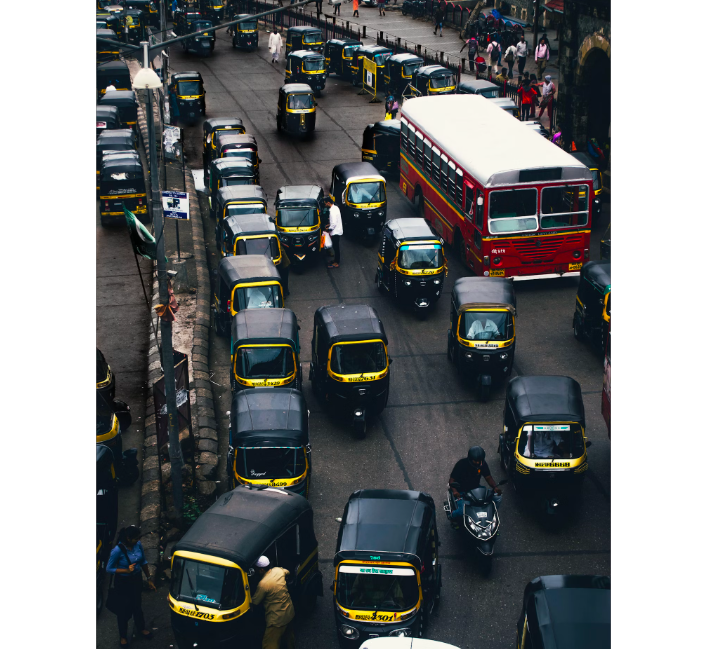
Only a select few countries worldwide drive on the left-hand side, mostly former British colonies. But why?
Story begins in the 1800s when nations started exploring travel and road building for leisure purposes. Britain at that point made left-hand driving legal; many other nations such as India and Australia followed suit.

The answer is tied to history
Some may find it peculiar that 35% of the world drives on the left side of the road – most often old British colonies – but the reason is simple. People used to ride horses on the left so their right arm could remain free for protection in case any attackers came along, and this tradition later carried over into carriage driving and car driving.
After World War II, most European countries started shifting toward driving on the right-hand side due to trade agreements and the desire to fit in better with their neighbors. Sweden made the initial switch, followed by Iceland and eventually Nigeria (in 1972).
The answer is tied to culture
Most countries that drive on the left today were once part of the British Empire and required driving on the left as an administrative mandate within their colonies; many continued this practice even after attaining independence.
Driving on the left stems from tradition and culture. This practice dates back to when people rode horse carriages; drivers would sit on the left rear horse so that they could use their right hand to control a team of horses with one whipping stroke of their whip.
After cars became popular, this practice continued into modernity as drivers found it easier to steer and control them with their dominant right hand. This tradition remains widespread today in India, the UK, Australia and New Zealand; though Samoa recently broke with tradition by opting to drive on the right in 2009; an island nation decided so in order to conform with its neighbors, who all drive on that side of the road.
The answer is tied to science
At first, riders on horseback tended to keep to the left so that their dominant right hand could use its strength against enemies or whip their horse if necessary. Over time, keeping to the left became a universal standard.
According to National Geographic, approximately 50 countries still primarily drive on the left today – such as Ireland, Malta, India and Indonesia; many former colonies of Britain also still practice driving left. Many of these nations remain reluctant to switch because it requires costly retraining efforts as well as breaking old habits and creating new ones.
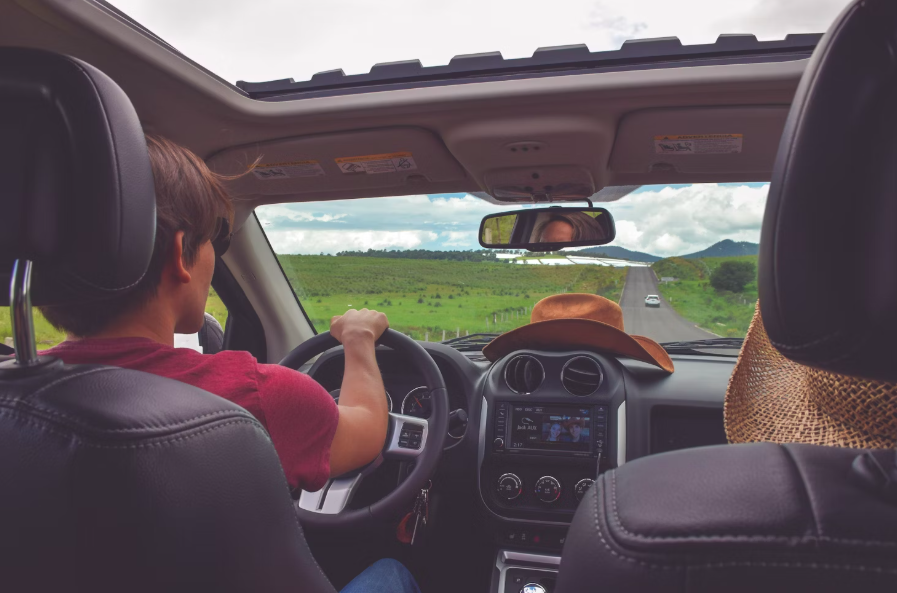
Other countries, like the United States, drive on the right. This may have something to do with Henry Ford’s invention of production cars: when designing his models, Ford put the steering wheel on the right to make overtaking easier and since most Americans are right-handed it seems more natural for them to hold it on that side of the car.
The answer is tied to convenience
America’s Founding Fathers soon tired of British-designed cars meant for left-hand driving and may have encouraged Americans to switch over. Henry Ford also revolutionized car production with his assembly line system, making mass-producing right-hand drive cars inexpensive and effortless.
Though it may be simpler to drive on the right, people continue to favor driving on the left for many other reasons. For instance, horseback riders during medieval times favored driving left so they could keep their sword arm facing oncoming passersby and hold it aloft as needed.
One possible explanation may include that old freight wagons were pulled by teams of horses; their drivers would sit astride the left rear horse while using his right hand to control all horses in their team with his right hand, using his left foot only when passing other wagons – thus it is more convenient if one can step on the brake pedal with their right foot instead.