


Consuming healthy meals can be essential to improving your mental wellbeing, with research showing a correlation between food and how we feel.
Eat foods rich in complex carbohydrates, lean proteins and healthy fats for maximum energy and brain support, while helping prevent blood sugar crashes.
Protein
Protein is an integral building block for all body tissues, including the brain. Amino acids found in protein serve as precursors to many neurotransmitters that help elevate mood such as dopamine, norepinephrine and serotonin; one study even demonstrated how diets high in protein reduced depression risk significantly.
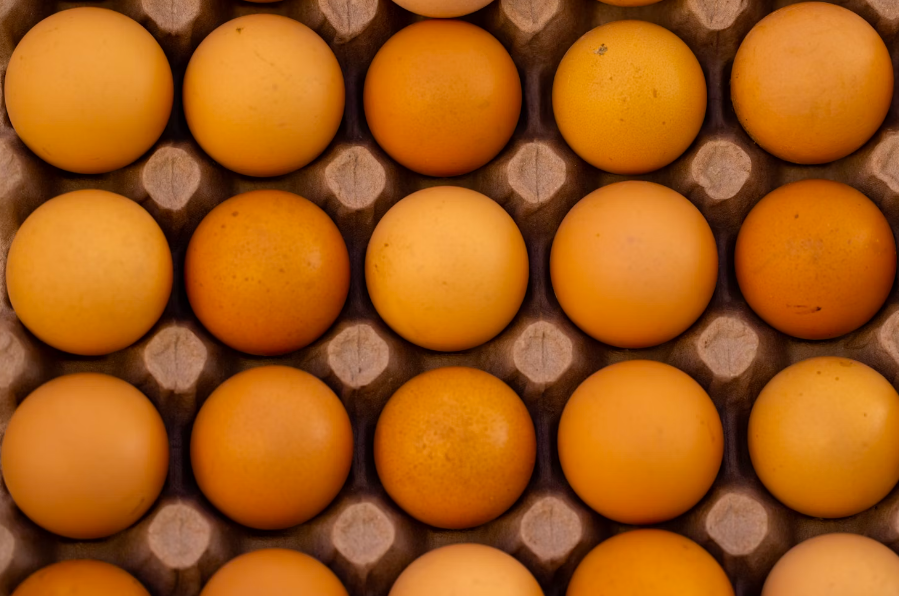
Meals that promote mood enhancement through protein are foods such as lean meats, fish, soy products and beans/legumes. Such proteins also contain tryptophan, an essential precursor for serotonin production; at least twice each week try to consume tryptophan-rich items such as salmon, turkey eggs or dairy to reap its full benefit.
Selenium, another mood-boosting nutrient, can be found in seafood, whole grains, Brazil nuts and low-fat dairy products. Consuming these foods regularly will help meet your recommended dietary allowance of selenium.
Fruits & Vegetables
Add vegetables and fruit to your meals for extra mood-boosting nutrients, vitamins, and minerals. Start by including leafy greens into salads, kale chips, smoothies or snacking on carrot sticks with hummus; sweet fruits like strawberries and bananas contain tryptophan, an amino acid precursor of serotonin which makes you feel happy. Make an effort to include variety when choosing produce to maximize its benefits! Aim to consume produce at least several times every week.
Fruits and veggies are loaded with antioxidants, particularly polyphenols that fight oxidative stress that contributes to depression. A 2020 randomized controlled trial revealed that people who consumed more food rich in polyphenols such as berries or dark chocolate reported reduced depression symptoms.
Mushrooms are an excellent source of tryptophan and vitamin B6, both essential components in mood regulation. Furthermore, potassium helps lower blood pressure and avoid muscle spasms; you can enjoy these versatile mushrooms either raw, sauteed/grilleded separately, added to a stir fry dish or even roasted with oil and seasoning for a delicious dish!
Carbohydrates
Carbs may get an unfair reputation in today’s low-carb diet craze, but this doesn’t do them justice. Carbs provide essential energy sources to both our brains and bodies and help regulate mood; additionally, carbohydrates play an essential role in producing serotonin which has been found to reduce feelings of depression and anxiety.
Brain neurons that produce serotonin have the amazing capability of linking their neurotransmitter production with food consumption, specifically carbs and proteins. Serotonin synthesis increases with carbohydrates while it decreases with protein consumption; this mechanism may explain why patients suffering from carb-craving obesity, premenstrual syndrome, seasonal affective disorder and major depressive disorder tend to consume carbohydrates to elevate their moods.
Try replacing high-sugar processed foods with complex carbohydrates (starches like quinoa and brown rice) and natural sources of sugars such as fruits and vegetables as your go-to choices for lasting energy without sudden spikes or crashes. They provide steady energy without spikes or crashes while simultaneously offering your brain with essential vitamins, fiber, nutrients and other benefits. Fruits and vegetables offer some great natural sources of sugars as well, so be sure to eat plenty!
Healthy Fats
Fats may be calorically dense, but they’re essential for cell function, helping the body absorb vitamins and producing hormones. Studies indicate that diets low in fat may impair mood and increase risk for depression; conversely, those rich in healthy fats found in olive oil, avocados, nuts and fish tend to improve mood and decrease depression risk.
One study demonstrated that participants who consumed a diet low in fat had higher rates of depression compared to those eating traditional, fat-rich diets, which may be because lower levels of cholesterol can hinder your brain from producing mood-lifting neurotransmitters such as serotonin.
Fatty fish and dairy products both contain tryptophan, an amino acid which your brain uses to create the sleep-inducing hormone melatonin. Furthermore, chocolate, particularly dark chocolate is known for its mood-boosting effects due to caffeine, theobromine and N-acylethanolamine content (12), all three of which increase blood flow to your brain and help ease symptoms associated with depression. When selecting chocolate as part of a balanced diet it’s wiser to opt for darker chocolate over its sugar-laden varieties!
Water
Water plays a pivotal role in our bodies, from protecting organs to regulating temperature and maintaining electrolyte balance within cells – but did you know it can also positively influence your emotions?
Researchers found that higher water consumption was linked with reduced rates of depression among both men and women. While the study didn’t control for potential confounders like mood-boosting beverages or fluid intake, such as mood improvers such as coffee or juice, evidence support a role for water in mitigating depression risk.
Dehydration has an immediate and adverse impact on one’s mood, draining energy from your brain, limiting serotonin production, and heightening stress in the body. Achieve enough water intake can help mitigate these symptoms as well as boost concentration, decrease fatigue or tension and boost overall well-being.
Try adding flavorings or other additions to your water to make it more exciting, or tie your intake to an existing habit – such as drinking it before brushing your teeth, or every time you get up to use the restroom. Incorporate more plant foods, which contain mood-boosting minerals like potassium, magnesium and zinc into your diet.